Archive for article
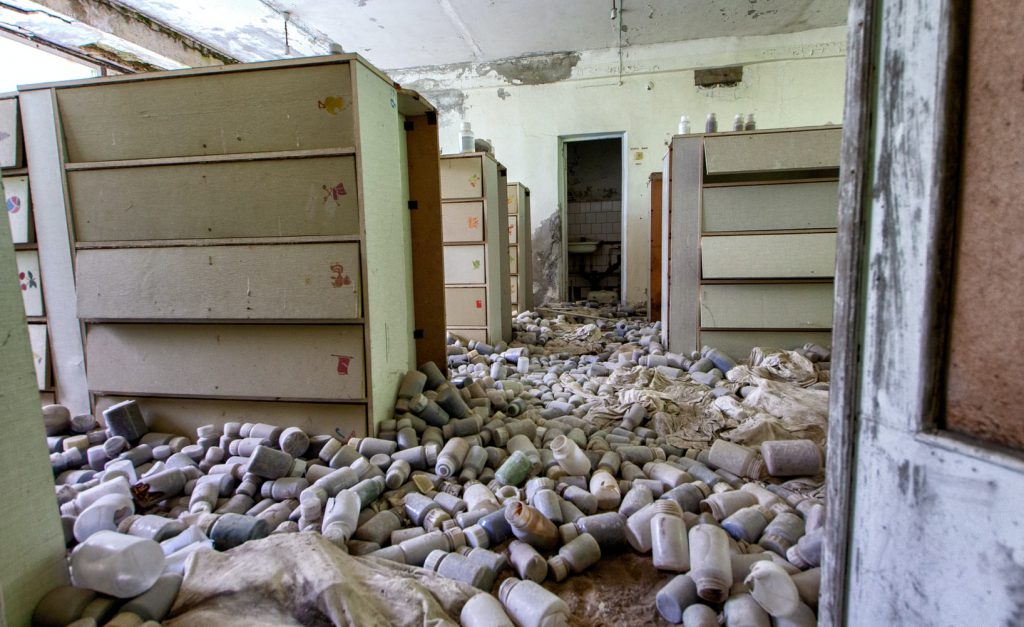
MEPs call on EU Commission to step up action against dangerous chemicals
The Environment, Public Health and Food Safety Committee within the European Parliament adopted a resolution by 65 votes to 1 and 14 abstentions, calling on the Commission to come up with a new chemicals…
EU Funding Opportunities through the European Social Fund
The European Social Fund (ESF) is the EU’s main programme for supporting jobs, helping people get better jobs and ensuring fairer job opportunities for all EU citizens. The Programme thus focuses on employment, social…
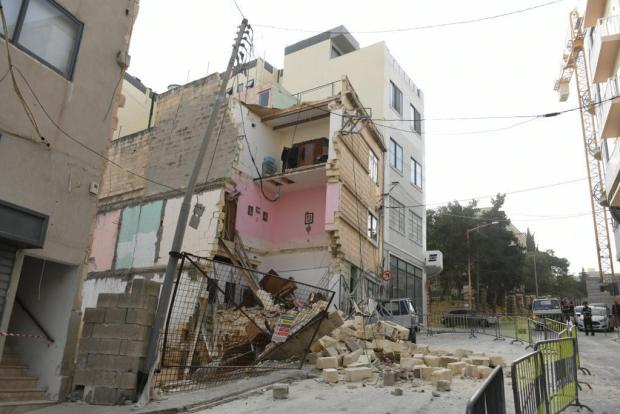
“Meta wieħed jagħlaq għajn waħda jkun qed jikkontribwixxi fin-negliġenza”
“Jekk wieħed jagħlaq għajn waħda fl-obbligi marbutin mas-Saħħa u s-Sigurtà ikun qed jikkontribwixxi fin-negliġenza.” Hekk stqarr Aldo Busuttil, Prattikant fis-Saħħa u s-Sigurtà, f’intervista ma’ Voice of the Workers fil-jiem li għaddew. Aldo Busuttil stqarr li mill-ħafna twissijiet u assigurazzjonijiet maħruġa…
Staying relevant at the place of work
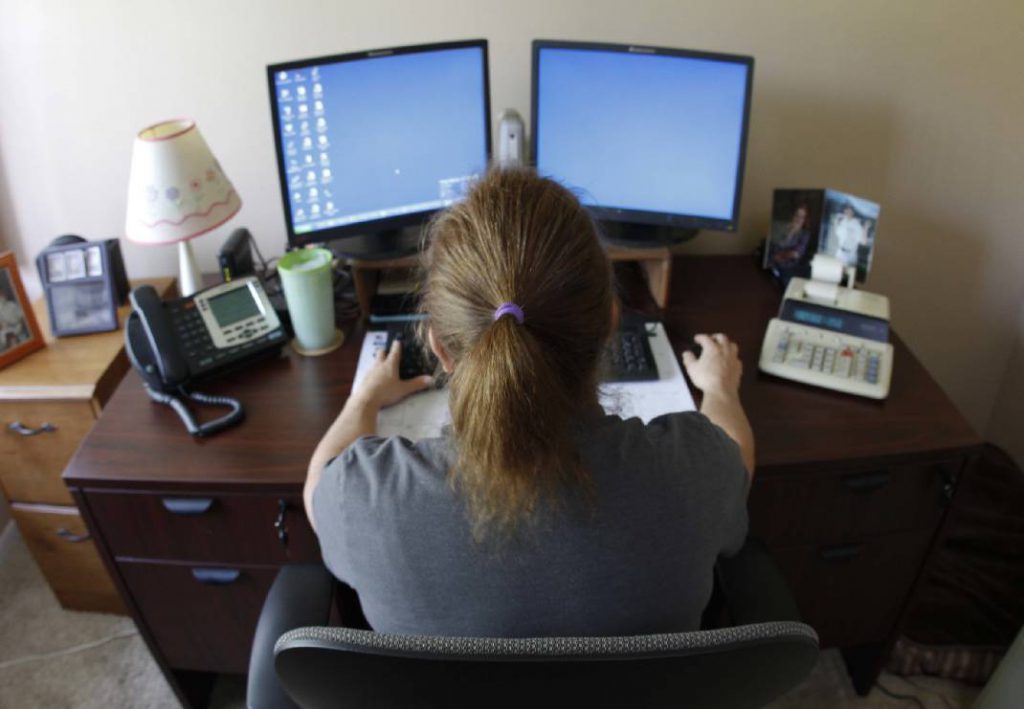
COVID-19 has affected our personal lives and places of work. Organisations have never experienced such rapid changes to what they do and how they function, with remote working and social distancing becoming the new normal. However, the Coronavirus was not the only factor that affected our work practices. New technologies have been influencing the world of work for quite some time. Some jobs will surely be affected by automation. We already know, for instance, that some routine tasks in low-skilled jobs are being automated. Moreover, various technologies out there are waiting to be adopted. To mention just a few, let us think of artificial intelligence and drone technology. Are we truly prepared for more technological tools? How will new technology impinge on the workforce? Given, the fast-changing scenario, several technical skills will become obsolete. COVID-19 showed us how fast we have to adapt. Several workers were suddenly working remotely, leading and managing teams virtually, relying on video conferencing for collaboration and meetings, amongst other tasks. Investing in our personal development and growth is critical. The more we upskill and reskill, the more valuable we are in the eyes of our current and future employers – the more we are for future changes in our career progression. UHM Voice of the Workers is in continuous discussion with the relevant stakeholders in order to establish how technology could help places of work be more flexible and to enable workers to work remotely. Besides, with the rise of technology the human element will become important. We will need to draw more on soft skills like creativity, adaptability and critical thinking. All in all, we have to identify any gaps in our skills that are likely to prevent us from achieving future goals, stay focused, be curious and just keep on learning.
The Central Mediterranean migration route in times of COVID-19
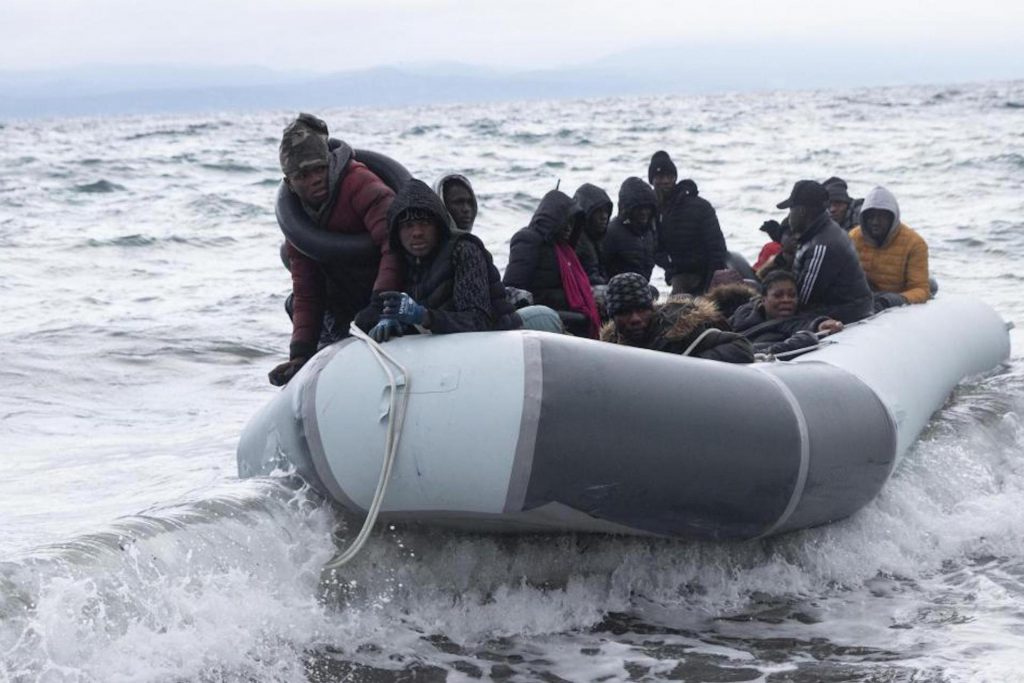
The Civil Liberties Committee has been closely following developments in the area, after both Malta and Italy, as well as Libya, declared their ports unsafe due to COVID-19. This led to…
Review of the Roaming Regulation
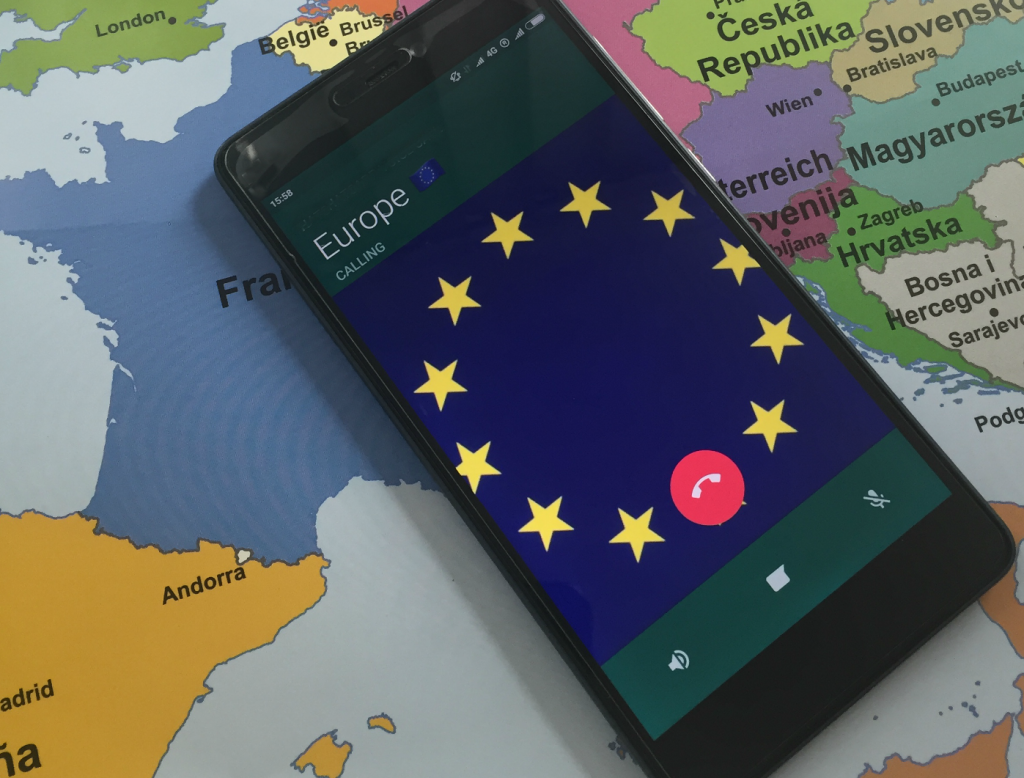
In June 2017, the last few days of Malta’s Presidency of the Council of the EU, were marked by the end of roaming charges when occasionally travelling (as long…
Where is our education system leading to?
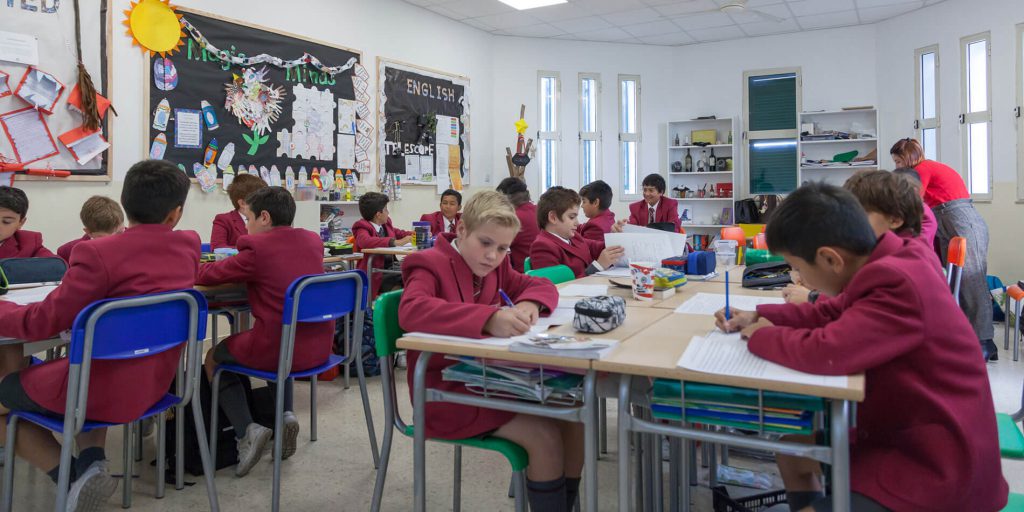
The education system in Malta is too based on what is scholastic or academic. What matters in Malta are the certificates. Students are still acting like robots memorizing the syllabus they think will come out in the exam papers. There is no indication of learning life skills. Students are not assimilating the basic things they that need to use throughout their lives. To name a few – how many students know how Parliament works? What do they know about the Constitution of Malta? The pandemic that we have just experienced has seen learning taking place virtually. Love it or loathe it, I think online learning is here to stay. Prospective teachers should henceforth be prepared for this when they read for a degree in Education at University. Bright students will not be affected by online learning and it will not hinder them in the course of their studies; on the other hand, students who are weak academically and are not monitored at home, will continue to regress. Teachers have a curriculum to follow and some may not have the time to help students who are not faring well. Nevertheless, with online education this issue could be solved because the teacher would be able to help on a one-to-one basis. Each lesson can take place as a webinar whereby students and teachers can communicate and discuss together. Despite all this, I think it would not be a bad idea for Primary and Secondary students to meet, at least once a week, for sports or other practical lessons such as life skills. However, teachers will have to completely change their method and style they are accustomed to. To me, here lies the biggest hurdle. As telework proved successful in many workplaces, online learning can also lead to positive results. We are not saying that online learning should happen during the next scholastic year, but we have to get there some way or another in the future. I am not an eduactor so I cannot visualize all the problems that can arise with the online learning system. However, one must also look at the positive effects that the system offers in general. With online learning, we can reduce, among other things, traffic congestions and pollution. Nowadays, several tools are at our disposal: lap tops, smartphones and WiFi infrastructure. The think-tank created by the Government could study this possibility. Unfortunately, students (not just the teachers) were not involved in the process. In addition, Malta must also look at learning systems such as those applied in Finland, Norway and Japan. In Finland, for example, no particular topics exist. Maths, History and Geography classes are amalgamated in meetings that childen attend during the week. In Japan, pupils learn to grow vegetables and how to do maintenance work at home – appropriate skills that children will find useful after finishing their formal education.

Can the cruise ship industry keep COVID-19 away?
Many of us will still recall pictures of hundreds of thousands of travellers stuck on board cruise ships — holidaymakers who weren't allowed to disembark and go back home because one or many…
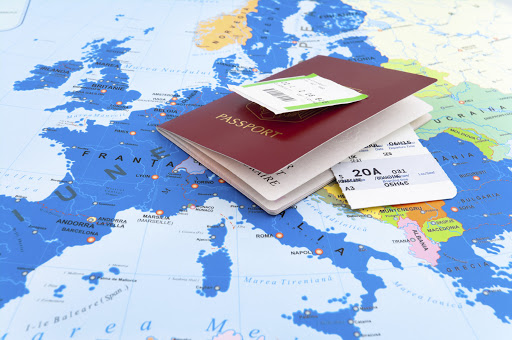
Return to free movement across borders is of utmost importance
Civil Liberties Committee MEPs express their concern about the current situation of internal border controls in the Schengen area and their impact on people and businesses, in a resolution…
Prioritising the Minimum Wage
As Europe starts to venture into a slow recovery process after the COVID-19 pandemic, work within EU institutions continues, as Germany officially took over the rotating presidency of the…