
A new roadworks platform – things can only get better, or not?
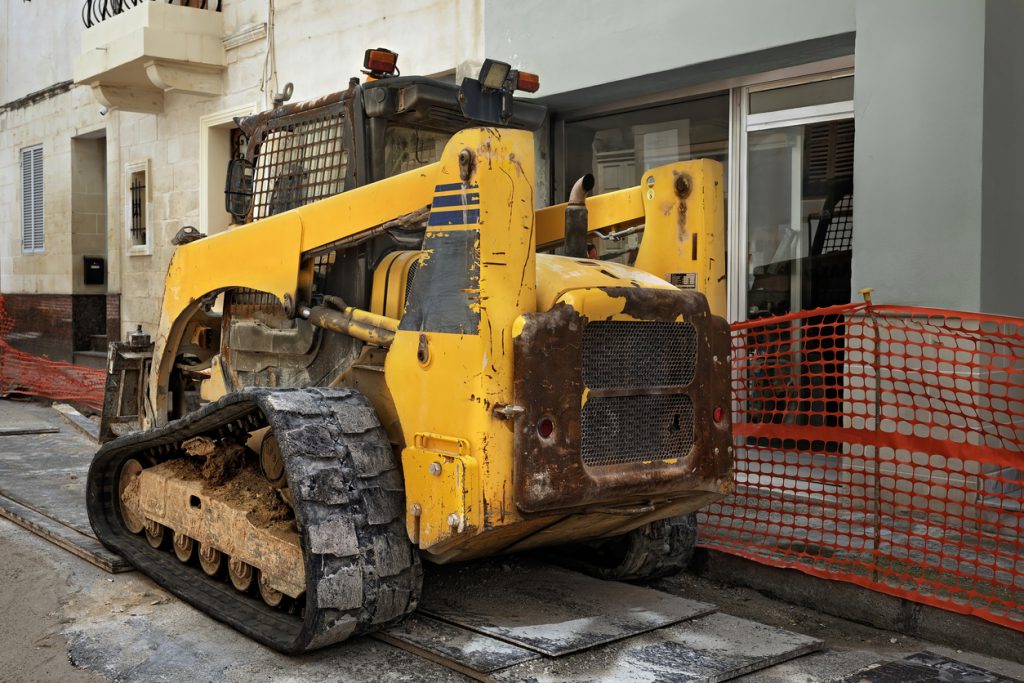
News that a new digital platform is being launched to streamline roadworks across Malta has understandably elicited mixed reactions. On one hand, it is a long-overdue step in addressing what can only be described as a chronic issue plaguing our roads. On the other, it raises valid concerns that this may end up being yet another short-lived initiative that gets bogged down in bureaucracy and ultimately fails to deliver on its promise.
For decades, the Maltese public has borne the brunt of uncoordinated, prolonged, and poorly communicated roadworks. Commuters are too familiar with the chaos of detours popping up overnight, poorly marked sites, and the sheer inefficiency of roads being dug up and repaved only to be reopened again weeks later for work by a different entity.
While the intentions behind this new platform are commendable – enabling authorities, utility companies, and contractors to better synchronise their efforts – we have seen similar initiatives launched with great fanfare in the past. The establishment of new bodies such as a transport regulator, an entity focused on infrastructure works, and the involvement of local councils were all supposed to bring order to the chaos. Instead, we too often witnessed a situation where too many cooks spoiled the broth – with entities passing the buck, or worse, openly blaming one another for delays and disruptions.
Improved coordination is not just about planning works on paper. It must also include practical, everyday enforcement – such as the timely removal of temporary signs once works are completed. It is common to see signage left behind for weeks or months, misleading drivers and cluttering already strained roads. Similarly, temporary barriers and equipment are often abandoned long after a project wraps up, creating hazards and an eyesore. These are simple issues that require discipline and follow-through – not just a high-tech platform.
Transport Malta CEO Kurt Farrugia has hailed the launch of this new tool as a game changer, insisting that from now on, there will be no more excuses for poorly coordinated works. Transport Minister Chris Bonett echoed this optimism, stating that the days of the left hand not knowing what the right hand is doing should be behind us.
Let us hope this indeed proves to be the case. The bar for improvement is low – and the public’s patience has long since worn thin. If implemented properly, with clear lines of responsibility, timely updates, and proper enforcement, this platform could finally bring a level of coordination our road network so desperately needs.
But only time will tell whether this is a genuine leap forward – or yet another missed opportunity. After all, things can only get better.