Archive for article

Dealing with uncertainty during the COVID-19 pandemic
Uncertainty is all around us, never more so than today. The current COVID-19 pandemic has heightened uncertainty over the economy, employment, finances, relationships, and of course, physical and mental health. Yet…

Why do equal rights matter?
People are not equal, but they are of equal value. They have equal rights and are equal before the law. These human rights are an important principle of any…
How COVID-19 is changing the European Union
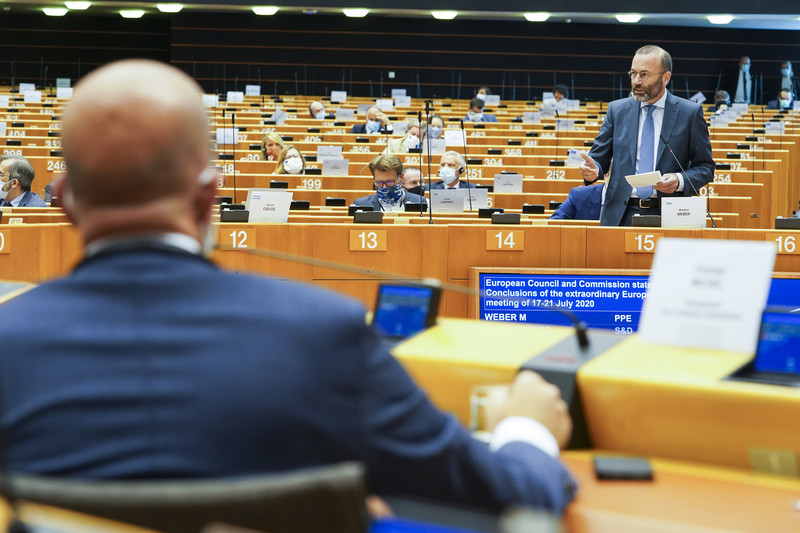
The Covid-19 pandemic took the European Union on a rollercoaster ride. When a first mini wave of infections hit the EU on 24 January, the Union entered a period of self-delusion. During…
Workers’ rights and working conditions: Keeping a common minimum standard
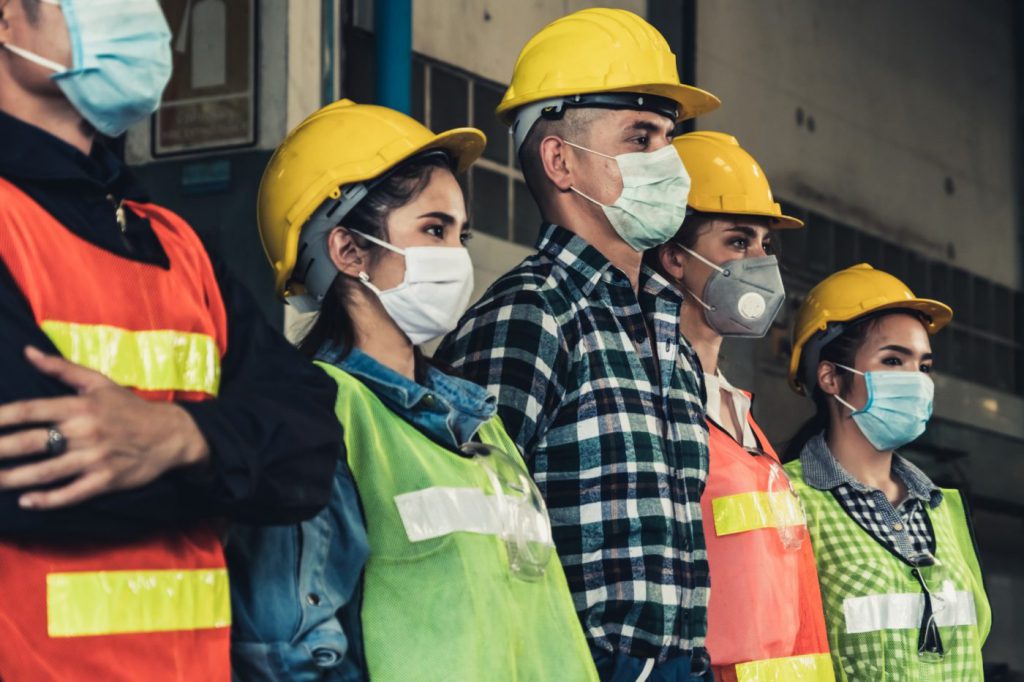
Following a period of growth across the European Union, the COVID-19 pandemic has led to considerable changes in the way most of us work. The unprecedented circumstances have shifted…
Not everyone is affected by the pandemic in the same manner
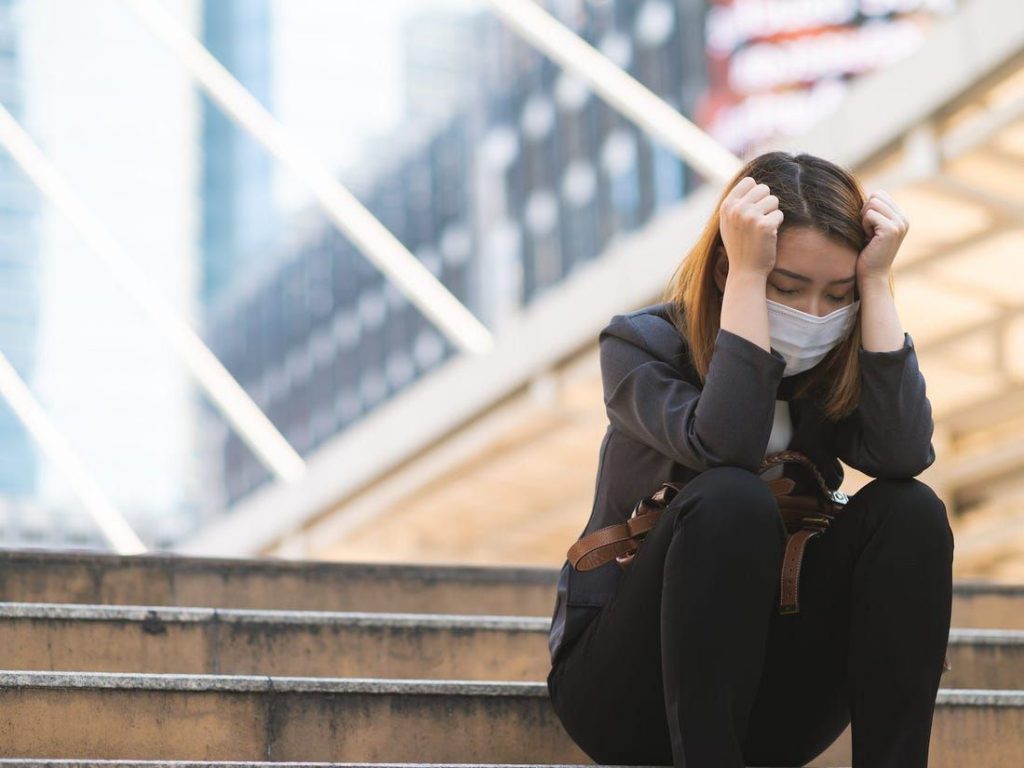
The COVID-19 crisis has meant a major economic change, from how and where we work to, who, after all goes to work. So, for many home-based workers, the issue is about if and when we will return to the workplace. However, this crisis has also turned our personal lives upside down, with change creating stress. Recent research has revealed the magnitude of the challenge to our mental health. Data compiled by and independent source shows that a percentage of the population reported symptoms of depression. This statistic is worth paying attention to. We all know that poor mental health and unhappiness make us less productive at work and contribute to problems in relationships within the family and amongst other people. Everyone is affected by this pandemic but not everyone is affected in the same manner. For those between the ages of 16 and 40, the symptoms of depression have increased rapidly. According to an article in the journal der Spiegel, research in Germany provided more insights into what is causing the catastrophe, when comparing the wellbeing of parents and other adults. The two groups of people had similar trends before the crisis, but parents saw a sharp decline in wellbeing when schools and childcare centres closed during the first wave of the pandemic. The wellbeing of working mothers is most affected and although women were less likely to lose their jobs than men, working mothers carry a huge burden since many are also caring for their children. What do we learn from all this? Back to school is crucial to our children’s future, but it is also crucial to the wellbeing of many parents now and in the future.
A human crisis that calls for solidarity
We are facing a global health crisis, one that is spreading human suffering, infecting the economy and turning people’s lives upside down. This is, above all, a human crisis that calls for solidarity. We as human beings are stressed and the social fabric is being torn. There are people who are suffering and are scared. This is a moment that still demands a coordinated, decisive and innovative policy action. Cases of COVID-19 are increasing day by day and the pandemic is also killing people as well as attacking the economy at its core – trade, businesses and jobs. Companies and the tourist industry are struggling to stay in business and families are simply struggling to stay afloat. However, in managing this crisis, we also have a unique opportunity. Done right, we can steer our efforts towards a more sustainable and inclusive path. But poorly coordinated policies will lead to inequalities and increase the poverty figures. We need to focus on critical areas for action. First and foremost we have to tackle the health emergency and this by bolstering facilities, supporting health care workers and ensuring adequate supplies with full respect for human rights and without stigma. During the first wave of the pandemic, it has been proven that the virus can be contained. However, when restrictions were released, the numbers started to increase again. Government has to do its utmost not to let the virus spread like wildfire. Secondly, we must focus on the social impact and the economic response. Increasing financial assistance alone is not the answer. The crisis we are living is not a shock in supply and demand. It is a shock to society as a whole. Most fundamentally, we need to focus on people – the most vulnerable, low-wage workers and SMEs. That means supporting salaries, social protection as well as preventing bankruptcies and redundancies. Moreover, as people’s lives are disrupted and isolated, we must prevent this pandemic from turning into a crisis of mental health. Finally we should resume our responsibility to ultimately recover better. We must ensure that lessons are eventually learned and that this crisis provides an opportune moment for health emergency preparedness and for investiment in critical 21st century public services. The government must ensure that the country’s economy and the people it serves emerge stronger from this crisis. More than ever, we need solidarity, hope and the political will to see this crisis through together.

EU must step up measures to tackle medicine shortages
In a report on the shortage of medicines, adopted by 79 votes to 1 and 0 abstentions, the Environment, Public Health and Food Safety Committee recently addressed the root causes of medicines…
New Child Guarantee – Have your say
In the European Union, close to one in four children remain at risk of poverty and social exclusion. This means that not all children in the EU have access to services…
Our country needs to be credible again
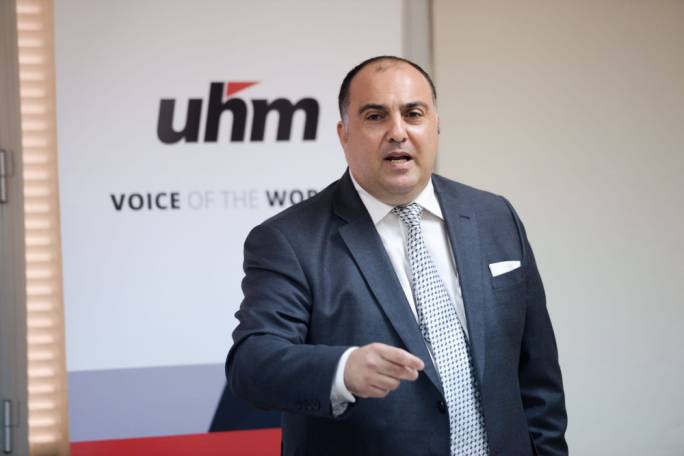
“Actions need to be taken to restrore the country’s credibility”. Josef Vella, Chief Executive Officer of UHM Voice of theWorkers stated this when he was one of three guests during…
Mental health cannot be ignored
It feels as if the country’s mental wellbeing has been ignored throughout the pandemic. The public has experienced a traumatic event this year with little time to process it, whilst often enduring financial insecurity and hardship. Several adults are indeed struggling with depression. Young adults, women, key workers, the disabled and other vulnerable persons are among those being affected, as well as, those unable to meet unexpected costs. Also, low-income families are experiencing mental or physical health problems because of Coronavirus as they struggle to pay for food and utilities. Helping these people in the coming months will require substantial investiment in mental health services, services that according to Nationalist MP Mario Galea have been “butchered”. Moreover, if we are to tackle a mental health crisis, we must look at the bigger picture which includes insecurity, low-paid work, discrimination, isolation, changes in routine, overeating and drinking. We too often speak about mental health as if it is disconnected from the material conditions in which we live. However, our jobs, homes and health are linked to our mental wellbeing. If you’re a mother struggling to hold down a job while expected to do home schooling, it is easy to feel depressed. If you are a worker who has lost his job and is facing eviction, it is natural to be anxious. These conditions have been exacerbated by the pandemic. As the resurgence of the virus in Malta carries on, the negative impact on people’s mental health looks set to magnify. Furthermore, it transpires that mental health support has been reduced to rhetoric. To truly address this public health issue would require funding for all aspects of society: from tackling the isolation of vulnerable people to addressing the precarious and unequal labour market that means many families are unable to pay their bills. Prioritising mental health puts the wellbeing of people above profits. It establishes housing, food and healthcare as basic rights. Most of all, it demands genuine and substantial investiment for mental health services, not just empty words. As this country entered the second wave, and as the pandemic continues to affect people’s lives, the nation’s wellbeing is going to become ever more pressing. Government must do what is actually necessary to address Malta’s mental health crisis. It must take the bull by the horns and make the changes that enable people to have better lives.