
A much‑needed step, but plenty of questions remain
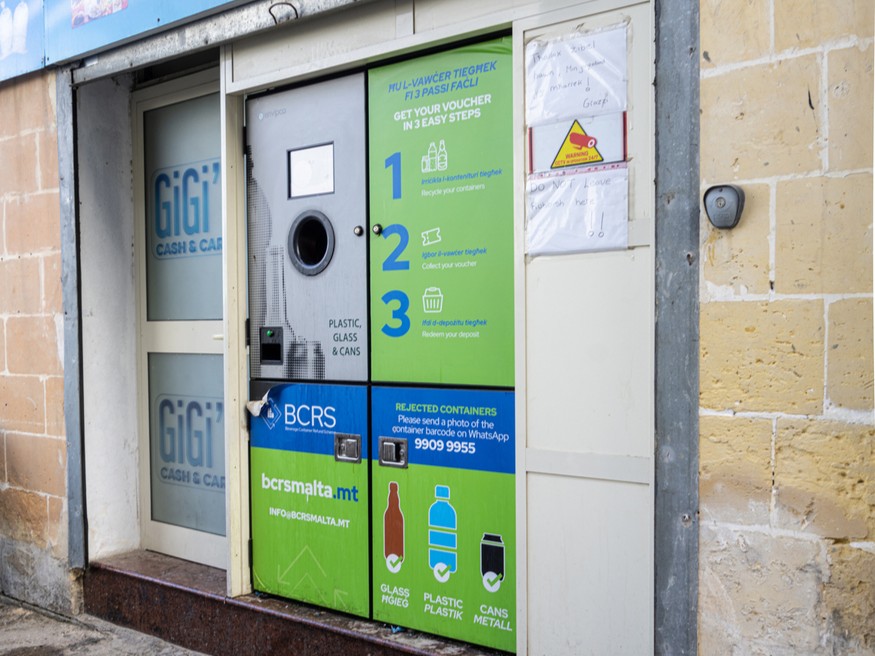
Government’s announcement that a pilot scheme will begin on 1 July, offering door‑to‑door collection of beverage containers for those aged 60 plus and blue badge holders in 20 localities, is a welcome and compassionate step forward. For many seniors and disabled individuals, the simple act of returning bottles and cans entails long journeys, heavy bags, and tedious queuing at reverse-vending machines. This initiative, which allows beneficiaries to dial a number, book a collection, and receive their voucher on the spot, promises to eliminate that physical and mental strain.
It is no coincidence that this proposal echoes calls made by UHM Voice of the Workers, who since last year have highlighted the unfair burden the current system places on the most vulnerable. This early advocacy helped shape what is now this directed pilot—an important acknowledgment that inclusivity must underpin environmental policy.
Yet, while we can applaud the intent, we must also acknowledge the potential pitfalls. One concern involves system abuse—families not eligible for the service might funnel their empties to qualifying households, thereby overburdening the system and diluting its social purpose. If such behaviour becomes commonplace, it could result in unfairness and inefficiency, undermining both the environmental goals and public trust.
There is also the question of equity. The rest of the population—those neither elderly nor disabled—will still have to contend with queues at BCRS machines. The pilot may feel like a band‑aid, rather than a systemic fix. A more comprehensive plan might have reduced barriers for everyone, not just a subset of society.
Nonetheless, the pilot also signals a deeper truth: while Deposit-Return Schemes are environmentally effective—they curb plastic and metal waste—they are not always logistically accessible.
Perhaps future iterations might explore systems based on weight, or universal door-to-door collection schedules; but even narrowing it to this targeted experiment, the pilot offers valuable lessons. It underscores a crucial balance: environmental stewardship must go hand-in-hand with social justice.
As we approach Budget 2026, let this pilot be more than a compassionate add-on. Let it serve as a springboard toward a reimagined deposit-return system—one that is inclusive, efficient, and environmentally ambitious. Only then can we celebrate not just a pilot’s success, but the transformation of how Malta recycles—a system rooted in both sustainability and solidarity.