
Archive for article
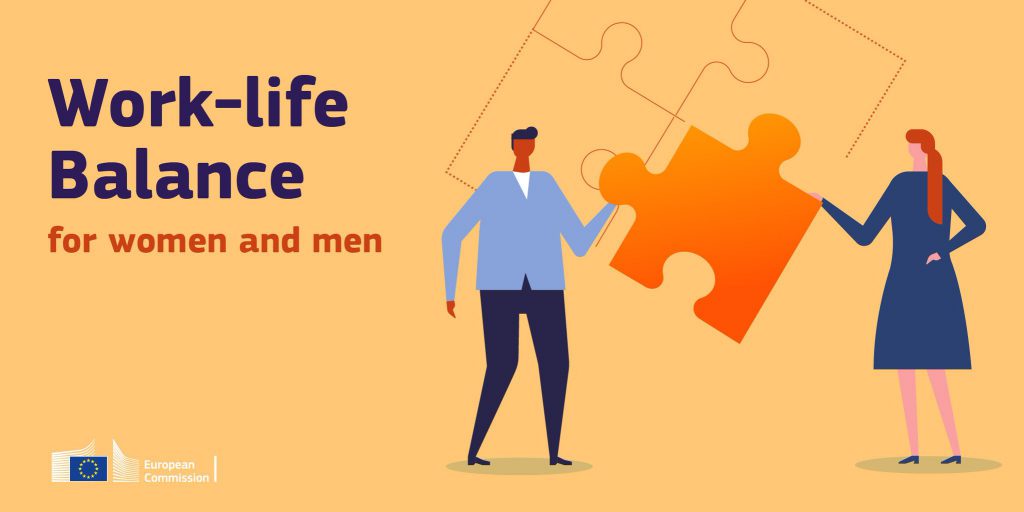
Enhancing Work-Life Balance and Gender Equality
The European Union places strong importance on equitable social policy, seeking to ensure that workers are treated fairly and humanely across all economic sectors. The concepts of work-life balance and…
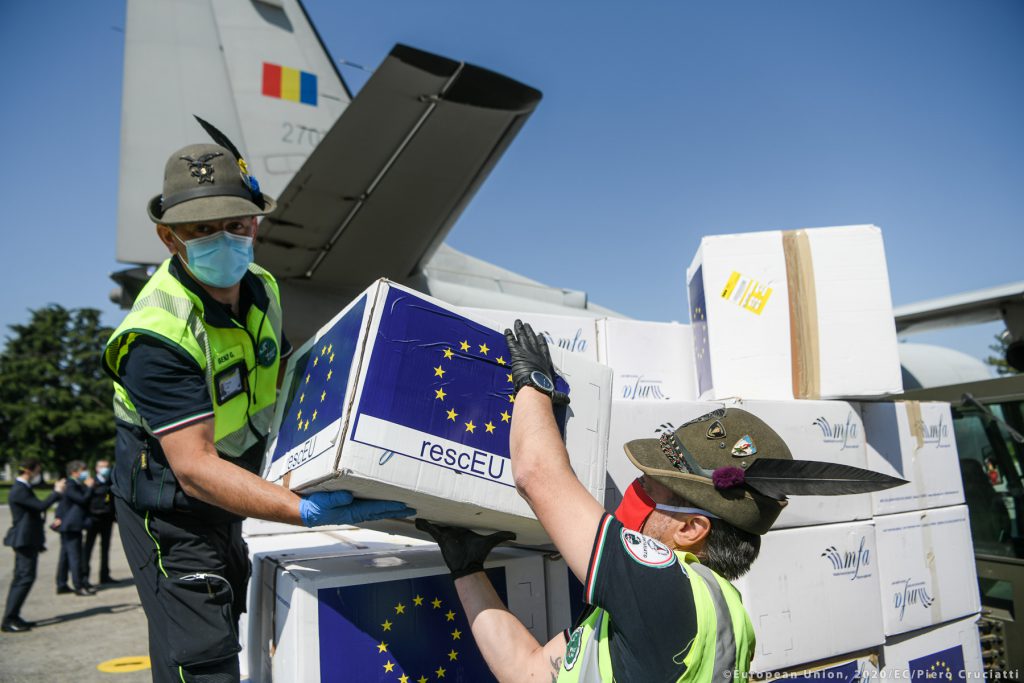
Greater EU Civil Protection capacity needed in light of lessons from COVID-19
The EU Civil Protection Mechanism (UCPM) has successfully supported member states to save lives, including during the COVID-19 crisis, by coordinating and assisting in civil protection efforts. Medical equipment…
Promoting ethical behaviour in practice
We need to make sure that all of those in public life, whether employed, appointed or elected, are aware of their ethical responsibilities and are prepared to act as ethical leaders.…
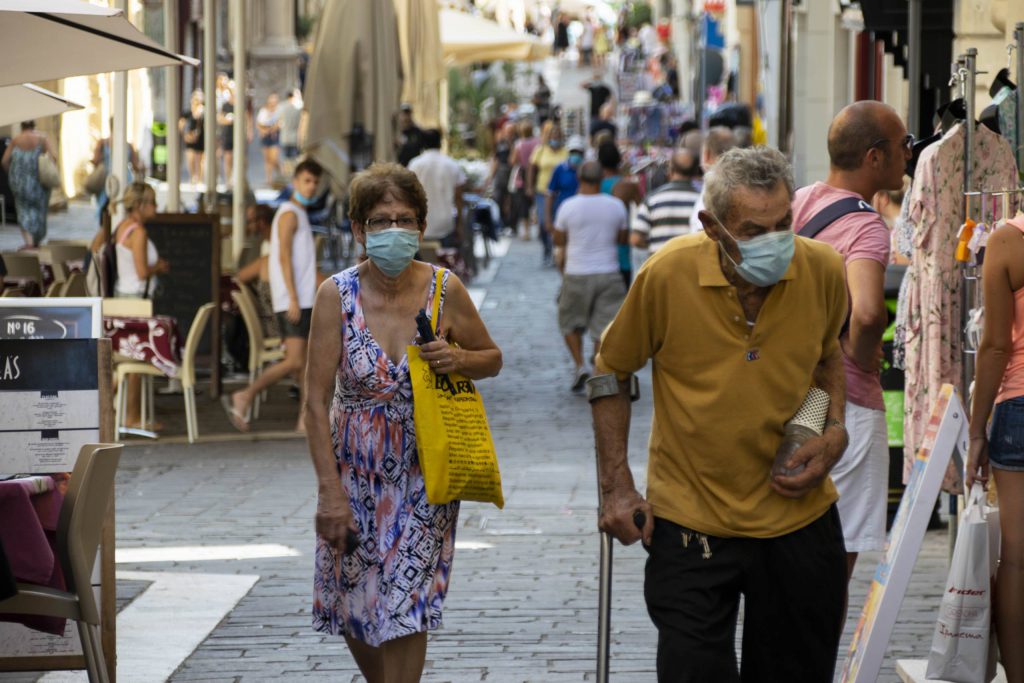
Let’s be prudent and continue wearing masks
Face coverings are compulsory in indoor settings but enforcement of the rules in public places and by individual businesses seems inconsistent. When one visits local shops, the owner is behind a perspex screen but he/she does not enforce face coverings at all despite signs outside the shop to wear masks. Responsibility has to come from the individual. Scientific research shows that wearing a mask contributes to a larger reduction in risk of infection. We all know that they are uncomfortable, restrictive and make you sweat. However, there is evidence that points to the benefits of wearing them. But when the decision to wear a mask depends on an individual’s evaluation of the risks, interactions can get emotional. Many psychological factors contribute to someone deciding to wear a mask. People vary in how they judge and accept risk, depending on what information they have been exposed to. Research suggests that the more people see others wearing masks, the probability of them wearing one themselves increases. However, I am observing that it is mostly men who are not wearing masks. Honestly, I sometimes don’t like wearing a mask but was interested to read evidence explaining why some groups of men are more likely to not wear a mask, particularly young men, conservative ones and those who align with traditional views of masculinity. Such matters are not helped by those who go on social media and dismiss the wearing of a mask as pointless. If we obey by wearing masks, it is easy to feel angry towards those who do not. However, becoming more aware of our emotional replies is probably crucial to affecting change. Shaming someone in public will probably be counterproductive. Living in a pandemic means we are all stressed and emotional, which affects how we communicate with others. We can try to go about these issues in an empathic manner – if we can. What do we want to achieve when we speak to someone with a mask under his chin or with no mask at all inside a shop? We want them to think about wearing the mask. But we must do this in a courteous manner and tell them that it is prudent to cover the face under these circumstances. By doing this we feel validated. When we feel safe to speak, others may feel safe to rethink.

EU climate law: MEPs want to increase emission reductions target to 60% by 2030
On Friday 11th September 2020, the Committee on Environment, Public Health and Food Safety adopted their report on the EU climate law with 46 votes for, 18 against and 17 abstentions. MEPs support…

How the EU improves workers’ health and safety
Every EU worker has certain minimum rights relating to working conditions specifically related to health and safety at the workplace. The EU adopts legislation in the field of health and safety at…

The COVID-19 vaccine must initially reach priority groups
As the COVID-19 pandemic continues, there is no doubt that we must be ready to face a long road ahead, certainly beyond the end of this year. The fact that a vaccine, alongside other treatments, is our only true exit strategy remains unchanged. One hopes that we will see results emanating from the first vaccines after undergoing clinical trials. However, we must be cautious about this vaccine that it will be a complete and immediate solution. The first vaccines will most likely not be perfect and here we need to be pragmatic on this front. The reality is that with these vaccines we will be taking small steps to return to a sense of normality. However, the first generation of COVID-19 vaccines will probably be only partially effective. They might not be completely effective in all ages. It is very possible that they might provide immunity only for a limited period. Accelerating vaccine development must not mean compromising safety. Most importantly, fair access to the vaccine must be addressed. It must initially reach priority groups, particularly frontline healthcare workers and the most vulnerable. As we move through autumn and winter, we will see an increase in community transmission. Without urgent action to stop the current increased community transmission leading to transmission in hospitals and in social care, and thereby severe illness and deaths in vulnerable people, we will be facing disruptrions in schools, workplaces and businesses. We have to do everything possible to avoid this. The first vaccine may not send us back to normal in a matter of months. However, by giving doses wisely on the people who most need them, we will be in a strong position to avoid a repeat of seven months ago.
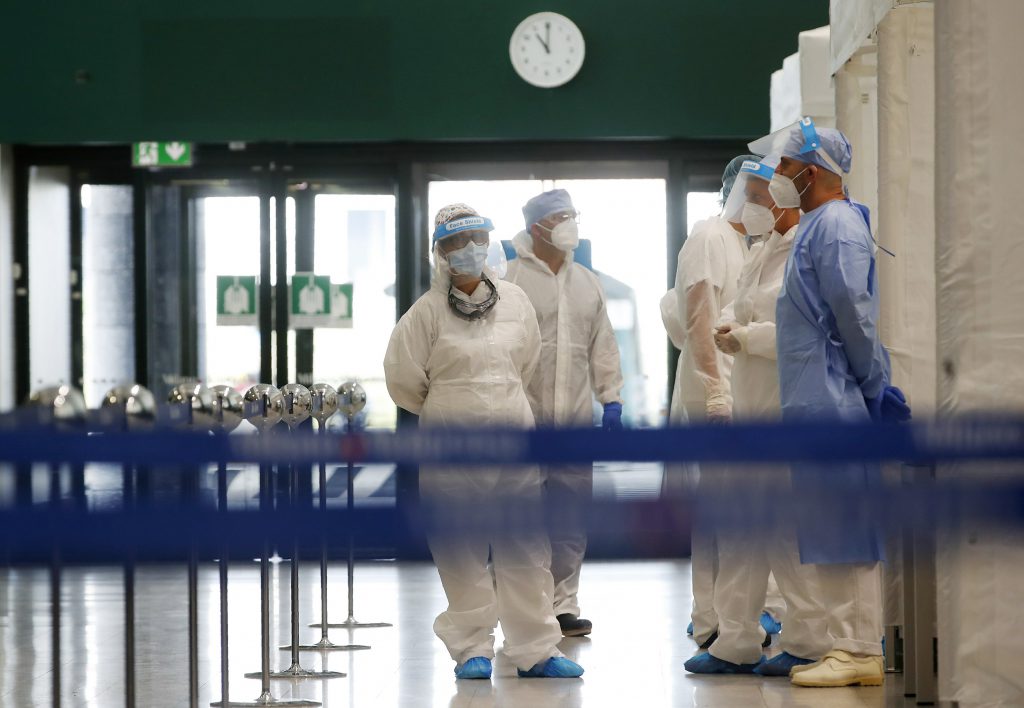
Government must act swiftly to suppress the virus
Malta is struggling with rising COVID-19 cases. The Superintendent of Public Health has recently said that the ‘situation is serious’ and warned that the number of people being treated in hospitals has also increased. The Government has…
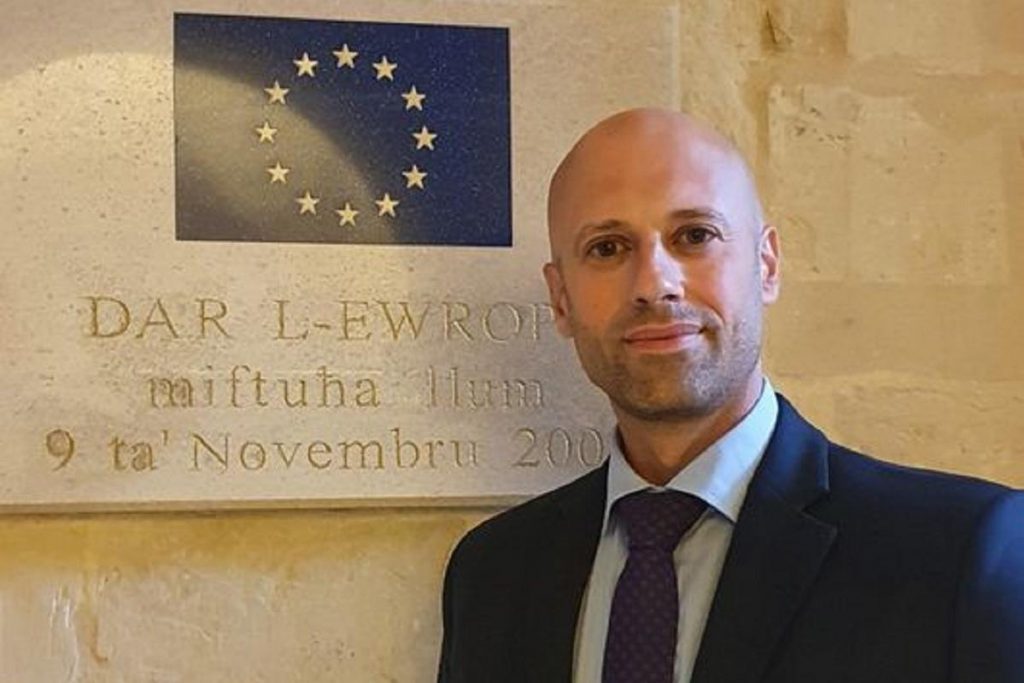
A new Head for the European Parliament Office in Malta
Dr Mario Sammut is the new Head of the European Parliament Office in Malta as from September 1st 2020. Dr Sammut is an EU official with 16 years of…

Improving the rights and conditions of the workforce
The EU is looking to continue prioritising workers’ rights and working conditions across its Member States, highlighting the importance of social protection as a cornerstone of EU values. This is being done through the introduction in 2019 of labour…