
Concrete action to deal with Mater Dei Hospital
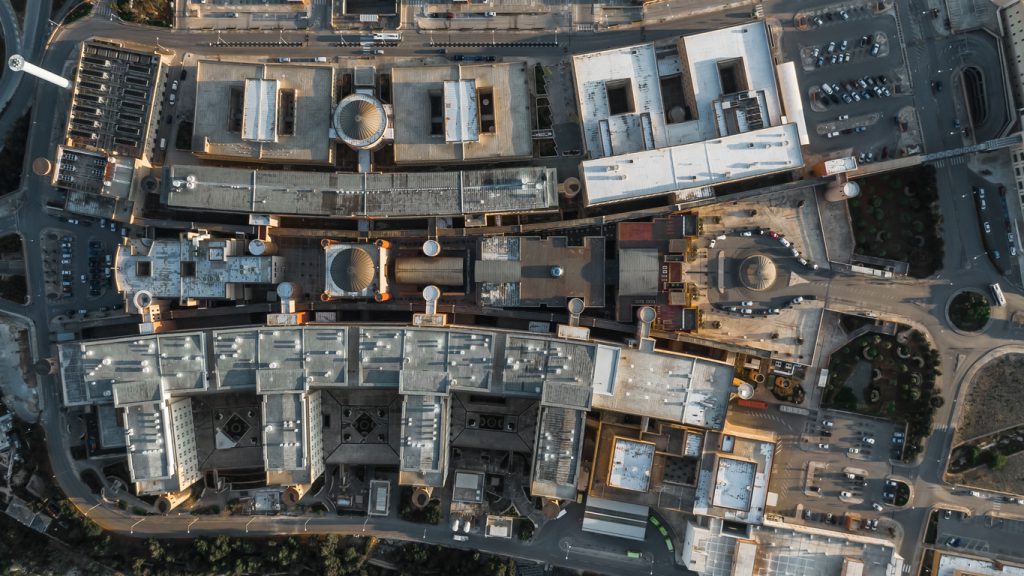
The recent report by The Malta Independent on Sunday which revealed that in 2024 more than 100,000 patients were admitted at Mater Dei Hospital’s underscores a healthcare system under immense strain. This milestone, while indicative of the hospital’s pivotal role, also highlights systemic challenges that demand immediate and transparent solutions.
A system under pressure
Mater Dei’s infrastructure is stretched beyond its intended capacity. The hospital performed a record 62,635 surgical procedures in 2024, a 6% increase from the previous year, reflecting both rising demand and the dedication of healthcare professionals. However, this surge has led to overcrowded wards and prolonged waiting times, with reports of patients waiting up to 12 hours in the emergency department.
Government initiatives: steps in the right direction
In response, the government has unveiled a comprehensive plan to expand Mater Dei’s capacity by adding 600 new beds over the next five years. This includes repurposing existing spaces, relocating non-clinical services, and transferring certain departments to St. Luke’s Hospital. Additionally, an €80 million tender has been issued to transform and expand the emergency department, aiming to double its capacity.
The need for transparency and accountability
Past missteps, such as the annulled concession with Steward Health Care, which failed to deliver promised upgrades to public hospitals, have eroded public trust. To rebuild confidence, the government must ensure transparency in its current initiatives, providing clear timelines and regular progress updates.
Structural concerns: the ‘defective’ concrete issue
Compounding these challenges are longstanding structural concerns. In 2015, studies revealed the use of substandard concrete in parts of Mater Dei, particularly in the Emergency Department. Tests indicated that the concrete’s strength was significantly below the required standards, with high levels of carbonation leading to corrosion of steel reinforcements. An independent inquiry concluded that concrete quality tests conducted in 1996 were fraudulent, raising serious questions about the building’s structural integrity.
Despite these findings, the government has recently submitted a planning application to build new facilities atop the existing structures previously deemed structurally unsound. This move has sparked concerns, especially given the lack of transparency regarding any remedial works undertaken since the initial revelations. The absence of clear communication from the Health Ministry and Mater Dei’s administration only fuels public scepticism.
A call for action
Mater Dei Hospital stands at a critical juncture. Addressing its challenges requires not only infrastructural investments but also cohesive collaboration among government entities, healthcare professionals, and private partners. Transparent communication and accountability are paramount to ensure that the healthcare system can meet the growing needs of Malta’s population.
The health of the nation depends on the resilience and adaptability of its healthcare institutions. It’s imperative that all stakeholders work together to transform Mater Dei into a facility capable of delivering timely and quality care for all.