
Time to re-introduce Gozo cargo trips from Valletta
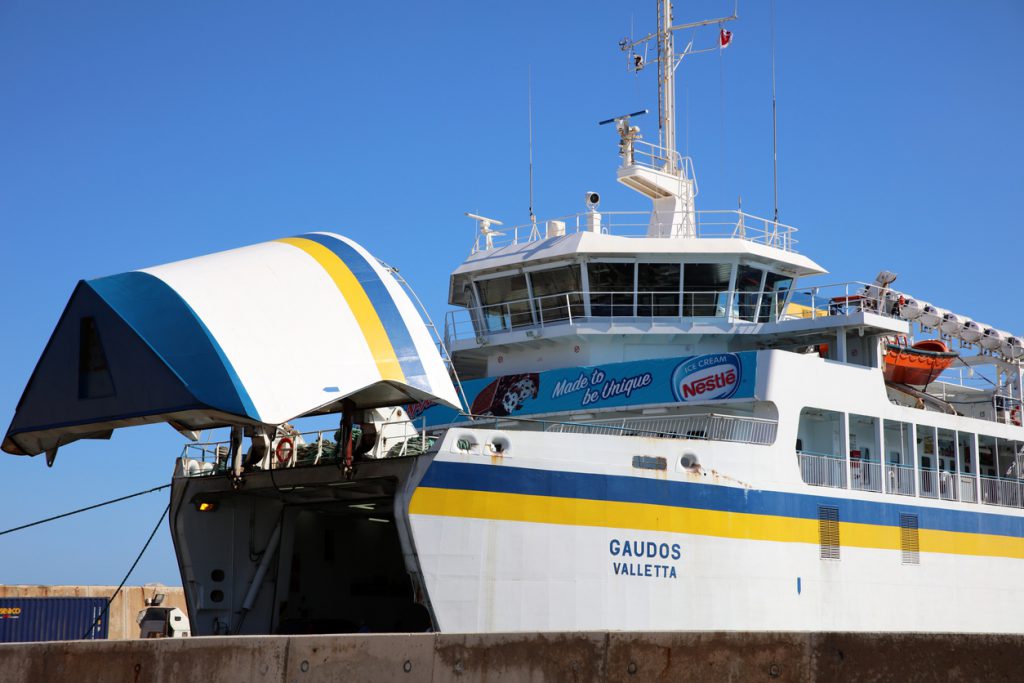
In 2016, Malta discontinued the cargo ferry route from Sa Maison, Pietà (Grand Harbour) to Gozo—making room for a yacht marina—and rerouted all heavy traffic via Ċirkewwa. Nine years on, the effects of that decision are clear.
Cargo and construction vehicles bound for Gozo must travel along the St Paul’s Bay–Mellieħa corridor, threading through Xemxija and Selmun. This winding route, characterized by narrow lanes, steep gradients, and limited shoulders, was not designed to accommodate sustained heavy‑vehicle use. Relying exclusively on this over-stretched single corridor is neither practical nor efficient.
Meanwhile, this imposes a heavy environmental toll. Experts at the Malta Maritime Forum estimate that transferring just 30% of this cargo to a roll-on/roll-off ferry departing from Grand Harbour could save an estimated 2 million kg of CO₂ annually. This change would help reduce congestion and emissions—outcomes that align with national environmental targets .
Moreover, Grand Harbour is investing in shore‑to‑ship electrification infrastructure. Projects like the Grand Harbour Clean Air Project enable docked vessels to draw power from the grid, cutting nitrogen oxide emissions by over 90 % and CO₂ emissions by around 40 %—demonstrating that maritime freight can be both efficient and cleaner.
From a logistical standpoint, operating cargo from Grand Harbour is sensible: the port is closer to central and southern Malta’s industrial zones, which simplifies land–sea transfer and helps reduce hauling costs. While longer sea crossings via Gozo Channel might increase fuel costs slightly, these are likely offset by shorter freight distances, fuel savings, and reduced emissions on land.
A feasible first step is to launch a limited pilot: a single daily round‑trip Monday–Friday using the MV Gaudos, whose fixed deck allows cargo without affecting the regular passenger fleet. This low-cost trial can validate viability before committing to a dedicated fifth vessel. If successful, a new cargo ferry could follow.
This proposal isn’t bold—it corrects a nine-year-old oversight. The 2016 shift to build a luxury marina served leisure interests but overlooked the strain it would place on inter‑island logistics and infrastructure. Reinstating a cargo ferry from Grand Harbour would relieve pressure on the northern road network, reduce emissions, and better serve Malta’s economy.
Looking ahead, Malta could explore another possibility: operating cargo sailings from the Freeport in Birżebbuġa. This would align maritime freight with global decarbonisation efforts and potentially offer even more efficient routing in the future .
It’s time to rebalance Malta–Gozo transport. A return to sea‑borne cargo would deliver cleaner air, smoother logistics, and smarter use of our ports.