
Malta’s summer grid test
As Maltese households prepare for the inevitable rise in temperatures this summer, a dark cloud still hangs over the island: the lingering memory of last year’s rolling blackouts. Between June and August 2024, thousands of residents endured sweltering days—thermometers topping 35 °C—only to be plunged into pitch-black rooms when the power tripped. No air-conditioning, no fans, no lights. And, as if this indignity were not enough, many woke to the rumbling hum of diesel generators stationed on their doorsteps—an expensive, noisy stopgap that underscored the frailty of our national grid.
The inconvenience of a few minutes’ flicker is one thing; the ordeal of repeated outages in an age when electricity underpins every aspect of modern life is quite another. For the elderly, frail and housebound, summer blackouts posed grave health risks. For parents juggling remote work and childcare, sudden power loss meant laptops dead, refrigerators off-cooling. For hospital wards and nursing homes—where backup systems are sacrosanct—every failure of the main supply was a test of resilience, equipment, and nerves.
Last year’s emergency measures—temporary rentals of industrial generators or the unpopular “conservation notices” urging the public to stagger appliance use—exposed not just a generation-straining demand curve, but structural weaknesses in how our power is produced, transmitted and distributed. Malta’s rapid economic growth, coupled with soaring tourism figures, has pushed demand spikes into territory our mid-20th-century infrastructure was never designed to handle.
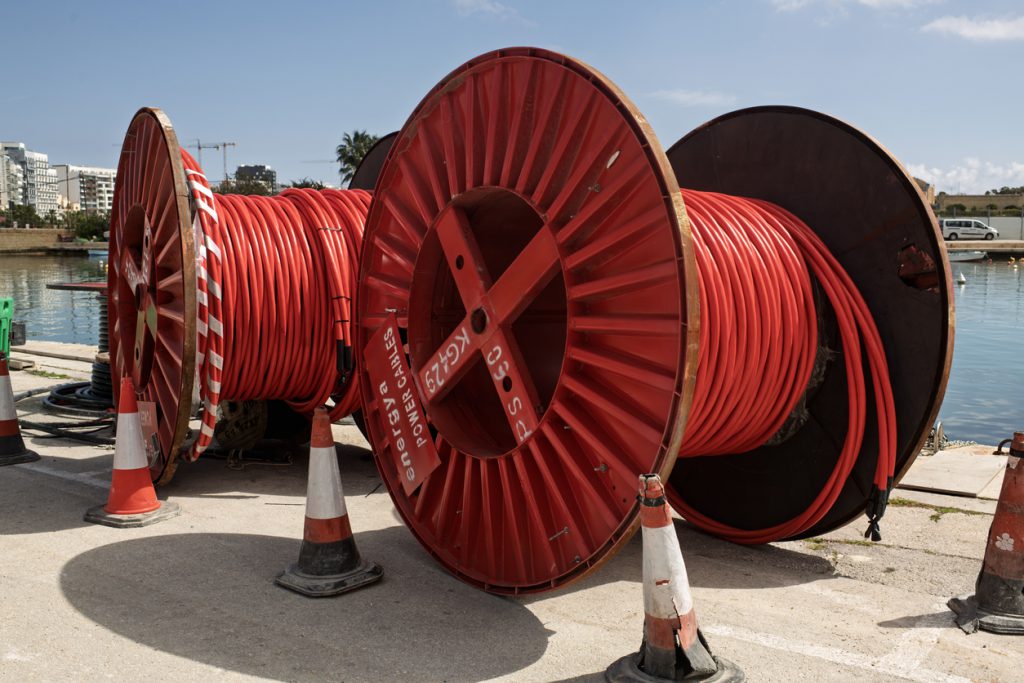
In the wake of this crisis, the government has committed to a multi-million-euro overhaul of the distribution network.
Yet pledges are only as credible as their delivery. “The proof of the pudding is in the eating,” as the saying goes.
True, no single infrastructure upgrade can immunise us against every heat-driven spike in consumption. Extreme weather events, such as the heatwave that swept the island last July, will test the system’s mettle. But if the distribution backbone holds firm, minor hiccups—momentary dips or brief disruptions—remain manageable, rather than spiralling into full-blown blackouts.
The grants for the installation of PV panels and batteries are commendable; however, this is only an option for those having their own airspace and unfettered access to the common parts needed to install the necessary infrastructure. Moreover, there is always the risk of seeing such investment go down the drain should an adjacent development cast the system into shadow, severely curtailing its output.
The collective hope is that Maltese families no longer face the dread of a cooling fan stuttering to a halt, or the midnight flare-up of a generator spotlight disrupting the midnight quiet. The government’s fiscal commitments and the utility’s modernisation plans could herald a transformation from fragile to resilient. But this summer, like the next, will be a litmus test: will the wires humming beneath our streets deliver the reliability we need, or will we once again be plunged into darkness and discomfort?
Let us hope that, as temperatures climb, our confidence in the system does, too.