
Where are Malta’s skilled tradespeople?
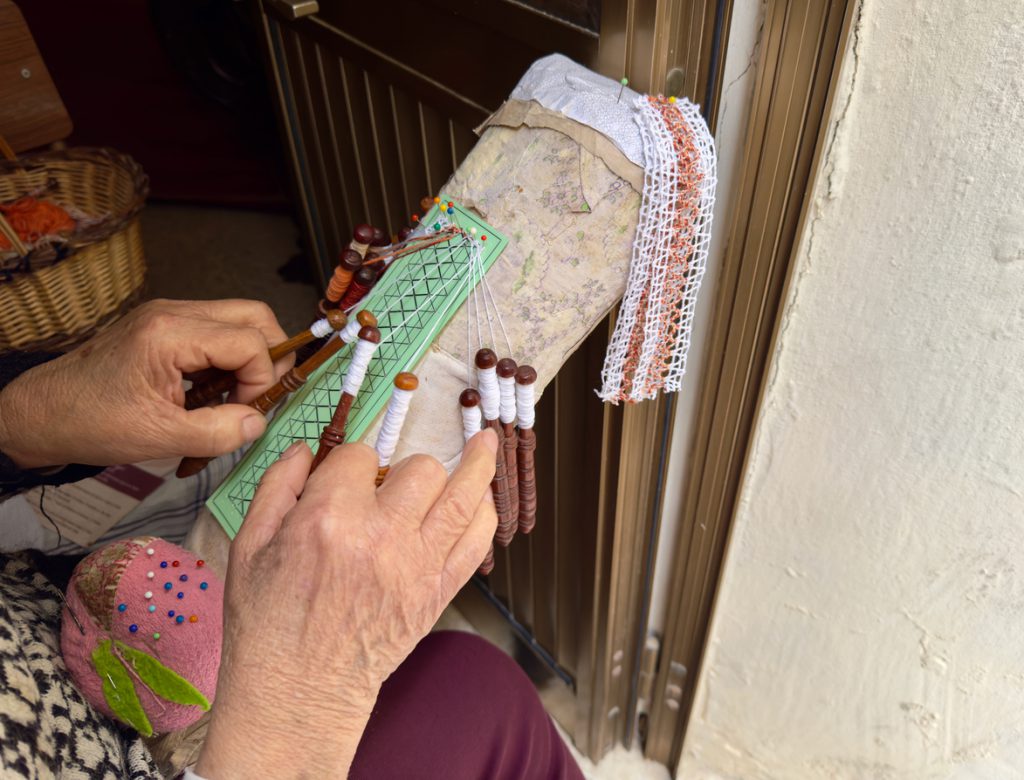
In recent years, Malta has witnessed a sharp decline in the number of locals pursuing traditional trades such as tailoring, tiling, masonry, tile-making, and filigree. Construction sites today are almost exclusively manned by foreign workers, and the once-proud tradition of craftsmanship is slowly fading into memory. This is not merely a labour shortage — it’s a cultural failure.
As parents and educators, we’ve fostered a culture that subtly — and sometimes overtly — discourages our children from taking up manual work. We’ve taught them that success lies behind a desk, not in a workshop. “Avoid hard work,” we imply, “go for a job in an office — it’s cleaner, easier, and more respectable.” But is it really? Every job carries its own pressures, complexities, and responsibilities. We do our young people a disservice when we push them down one path while turning our noses up at another.
The problem is especially acute in the 13- to 15-year-old age bracket. We have created a vacuum in which students who show an aptitude for hands-on skills are not being guided or supported. Instead, we harp on about academic success as the only viable route. Vocational education is still wrongly seen as a fallback option for those who fail their O-levels, rather than a legitimate and valuable career path. Yet the reality is that skilled trades not only pay well but offer long-term career stability and independence.
We’re also facing a growing contradiction in our national strategy. While the demand for skilled tradespeople is growing, we continue to inflate the size of the public sector and government entities — creating an artificial sense of job security and drawing people away from essential private-sector roles. This practice has real consequences. Skilled aviation technicians from Air Malta, for instance, were shifted into desk jobs when the airline was restructured. That decision depleted the workforce of a private aviation company, which in turn lost workers to KM Malta Airlines — a domino effect of misallocation.
Instead of letting these skills go to waste, why aren’t we tapping into this talent to train the next generation? Why aren’t we using seasoned tradespeople, including those formerly employed in state-run entities, to serve as mentors and trainers? Their experience is invaluable — yet it is being sidelined.
Institutions like the Malta College of Arts, Science and Technology (MCAST) cannot bear this burden alone. Rolling out vocational courses in isolation, without a broader cultural and policy shift, is futile. We need a coordinated national effort — involving government, employers, unions, educators, and families — to restore the dignity and appeal of traditional trades.
One practical step would be to integrate occupational health and safety standards more visibly into public procurement processes. Awarding additional points to contractors who uphold high safety and training standards could help raise the perception — and reality — of trades as respectable, modern, and professional careers.
Our economy is crying out for skilled tradespeople. The question is: are we willing to change our mindset, or will we continue to devalue the very jobs that hold our society together?